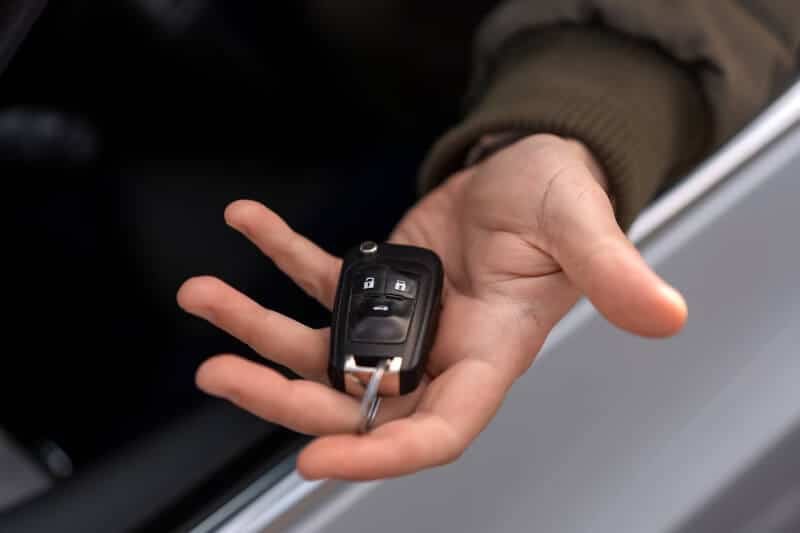
Modern vehicles use a variety of electronic keys to enhance both convenience and security. Among the most common are key fobs and transponder keys. Understanding the difference between key fob and transponder is essential for drivers who want to make informed decisions about their car’s security, replacement options, and daily use. This guide breaks down the main contrasts between these two technologies, helping you recognize which type your vehicle uses and what that means for you.
Whether you’re dealing with a lost key, considering an upgrade, or simply curious about how your car’s entry and ignition systems work, knowing the distinctions between these devices can save you time and money. For a broader overview of car key types and how they function, you may find this comprehensive guide to car key types helpful.
Understanding Electronic Car Keys
Before diving into the specific differences between key fob and transponder keys, it’s important to understand what each term means. Both are electronic devices, but they serve different functions and have unique features.
- Key fob: A remote device that typically allows for keyless entry, trunk release, and sometimes remote engine start. It may or may not contain a physical key blade.
- Transponder key: A key with an embedded microchip that communicates with the car’s immobilizer system. It is primarily used for ignition security.
Main Contrasts Between Key Fobs and Transponder Keys
While both devices are designed to enhance vehicle security and user convenience, the difference between key fob and transponder keys lies in their technology, purpose, and operation.
Technology and Communication Methods
Key fobs use radio frequency identification (RFID) or similar wireless technologies to communicate with the car. When you press a button on the fob, it sends a coded signal to the vehicle, allowing you to lock or unlock doors remotely.
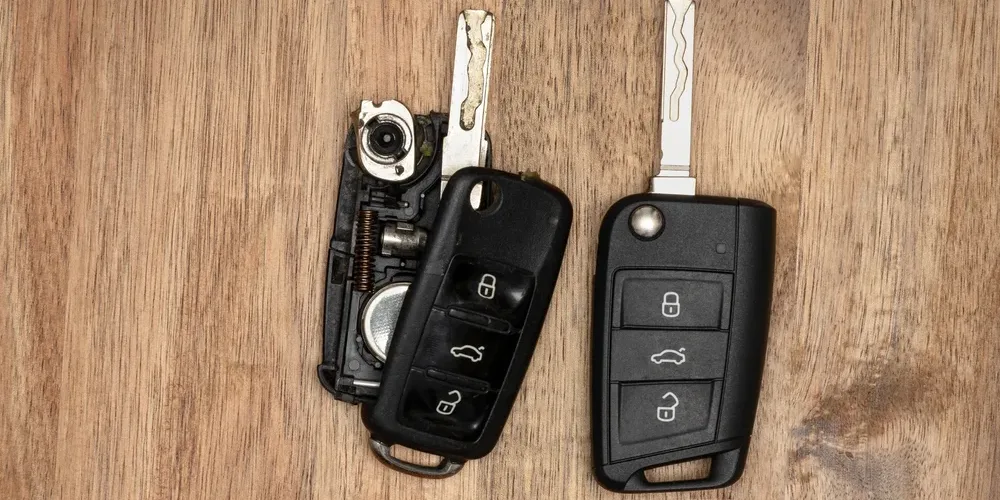
Transponder keys, on the other hand, contain a microchip embedded in the plastic head of the key. When inserted into the ignition, the chip transmits a unique code to the car’s immobilizer system. If the code matches, the engine will start; if not, the vehicle remains immobilized.
Primary Functions and Use Cases
The main function of a key fob is to provide remote access and convenience features. Modern fobs may also allow for push-button start, panic alarms, and trunk release. Some vehicles use a fob exclusively, without a traditional key blade.
Transponder keys are focused on ignition security. The embedded chip ensures that only a programmed key can start the car, reducing the risk of theft. While some transponder keys include remote buttons, many are simple keys with no remote functions.
Physical Appearance and Design
Key fobs come in various shapes and sizes, often as compact remotes or integrated into a smart key card. They may have multiple buttons and sometimes a hidden or retractable key blade for manual use.
Transponder keys usually resemble traditional car keys but have a thicker plastic head to house the chip. Some may have remote buttons, but many do not.
Security Features: Which Is More Secure?
Both key fobs and transponder keys offer enhanced security compared to older mechanical keys, but their methods differ. Transponder chips are specifically designed to prevent hot-wiring and unauthorized engine starts. The immobilizer system will only recognize programmed chips, making it difficult for thieves to bypass.
Key fobs, especially those with rolling codes or encrypted signals, add another layer of security by making it hard for outsiders to intercept or duplicate the wireless signal. However, some older or basic fobs may be vulnerable to relay attacks or signal jamming.
Replacement and Programming Considerations
If you lose your key fob or transponder key, replacement and programming can be costly and time-consuming. Key fobs often require specialized equipment to program the remote functions and, if applicable, the push-button start system. Transponder keys must be programmed to the car’s immobilizer, which usually requires a visit to a dealership or a qualified locksmith.
It’s worth noting that some vehicles use a combination of both technologies—a key fob with a built-in transponder chip. In these cases, both the remote and ignition functions must be programmed for the key to work properly.

Cost Differences and Maintenance
The cost to replace or duplicate a key fob is generally higher than that of a transponder key, mainly due to the complexity of the electronics and programming involved. Key fobs with advanced features or proximity sensors can be especially expensive. Transponder keys, while more affordable, still require programming, which adds to the cost compared to traditional keys.
Maintenance for both types is minimal, but key fobs may require occasional battery replacement. If a fob or transponder key stops working, it’s often due to a dead battery, signal interference, or a programming issue.
How to Tell Which Type Your Car Uses
If you’re unsure whether your vehicle uses a key fob, a transponder key, or a combination, check your owner’s manual or consult your dealership. Most modern cars (post-2000) use at least a transponder chip for ignition security. Vehicles with push-button start or remote entry almost always use a key fob.
You can also look for a small indicator light on your dashboard that blinks when the key is removed—this often signals the presence of an immobilizer system, which relies on a transponder chip.
Summary Table: Key Fob vs. Transponder Key
| Feature | Key Fob | Transponder Key |
|---|---|---|
| Primary Function | Remote access, keyless entry, convenience features | Ignition security, engine immobilizer |
| Technology | RFID/wireless signal | Embedded microchip |
| Physical Form | Remote, card, or integrated with key blade | Traditional key with plastic head |
| Security | Rolling codes, encryption (varies by model) | Unique chip code, immobilizer system |
| Replacement Cost | Higher (especially for smart fobs) | Moderate |
| Programming Required | Yes (remote and/or ignition) | Yes (chip to immobilizer) |
FAQ: Common Questions About Car Key Technologies
Can a key fob work without a transponder chip?
Some key fobs are purely remote devices and do not contain a transponder chip. However, many modern vehicles combine both technologies for added security. If your car uses a push-button start, the fob likely contains a chip as well.
Is it possible to program a new transponder key or key fob myself?
In some cases, basic programming can be done at home with instructions from the owner’s manual. However, most modern vehicles require specialized equipment, making it necessary to visit a dealership or a professional locksmith for programming.
What should I do if my key fob or transponder key stops working?
First, try replacing the battery in your key fob. If the issue persists, there may be a problem with the programming or the chip itself. Contacting a qualified locksmith or your dealership is the best course of action to diagnose and resolve the issue.
Are key fobs and transponder keys interchangeable?
No, these devices serve different purposes and are not interchangeable. Some vehicles use both in a single unit, but a key fob without a transponder chip cannot start a car that requires chip authentication, and a transponder key without remote functions cannot provide keyless entry.