Modern car key fobs are essential for convenience and security, but their casings are often vulnerable to everyday wear and tear. Understanding damaged key fob casing basics can help you identify issues early, prevent further problems, and choose the right replacement solution. This guide covers common causes of casing damage, signs to watch for, and practical options for restoring your key fob’s appearance and function.
If you’re interested in the technology behind your remote, you might also want to learn what frequency do key fobs use and how it impacts your vehicle’s security and convenience.
Understanding Key Fob Casing Damage
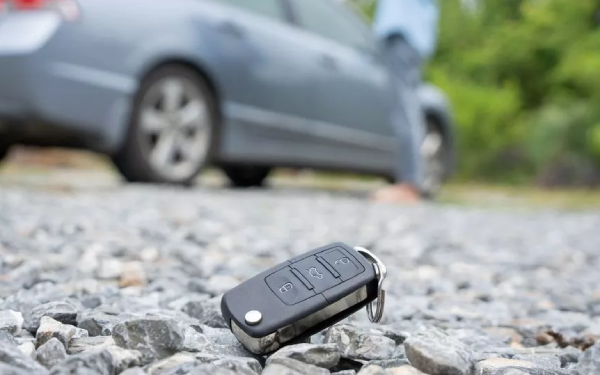
The outer shell of your car’s remote is designed to protect the internal electronics and battery. However, repeated drops, exposure to moisture, and constant handling can lead to cracks, worn buttons, or even broken key rings. Recognizing the basics of damaged key fob casings is the first step toward preventing more serious issues.
- Physical cracks: Small fractures can expand over time, exposing internal components.
- Worn or missing buttons: Frequent use may cause rubber buttons to degrade or fall out, making it difficult to operate your vehicle remotely.
- Loose or broken key rings: The attachment point for your keys can weaken, risking loss of your fob.
- Water damage: Even a splash can seep through a compromised casing, potentially ruining the electronics inside.
Common Causes of Casing Wear and Tear
Everyday habits and environmental factors contribute to the deterioration of your key fob’s shell. Here are some of the most frequent culprits:
- Dropping the fob: Accidental drops onto hard surfaces can crack the plastic or dislodge internal parts.
- Exposure to elements: Rain, humidity, and extreme temperatures can weaken the casing material.
- Constant friction: Carrying your fob in a pocket or bag with other items can cause scratches and wear.
- Improper handling: Using excessive force to press buttons or attach the fob to a keychain can damage the shell.
Signs You Need to Replace Your Key Fob Shell
Not all damage is immediately obvious. Watch for these warning signs that indicate your remote’s casing may need attention:
- Visible cracks or chips in the plastic
- Buttons that stick, sink in, or no longer respond
- Loose or rattling sounds when shaking the fob
- Difficulty attaching to a keychain due to a broken ring hole
- Water or dirt inside the casing
Addressing these issues early can help you avoid more costly repairs, such as replacing the entire fob or reprogramming a new one.
Replacement Options for a Broken Key Fob Shell
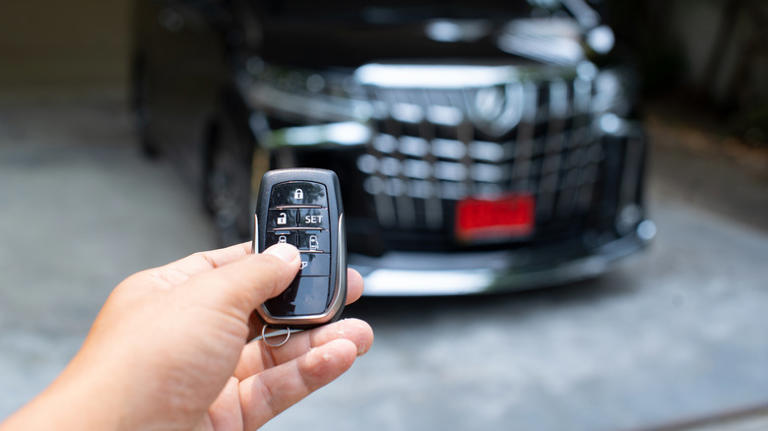
When your remote’s case is damaged, you have several options for restoring its appearance and function. The right choice depends on the extent of the damage, your budget, and whether the internal electronics are still working.
DIY Shell Replacement
For many car models, you can purchase an aftermarket or OEM replacement shell online. These kits typically include the outer casing and new buttons but do not contain any electronics. To replace the shell:
- Open your old fob carefully, taking care not to damage the circuit board or battery.
- Transfer the internal components into the new shell, ensuring everything fits snugly.
- Snap or screw the new casing together and test all buttons before use.
This option is cost-effective and can extend the life of your remote, provided the internal parts are still functional.
Professional Locksmith Services
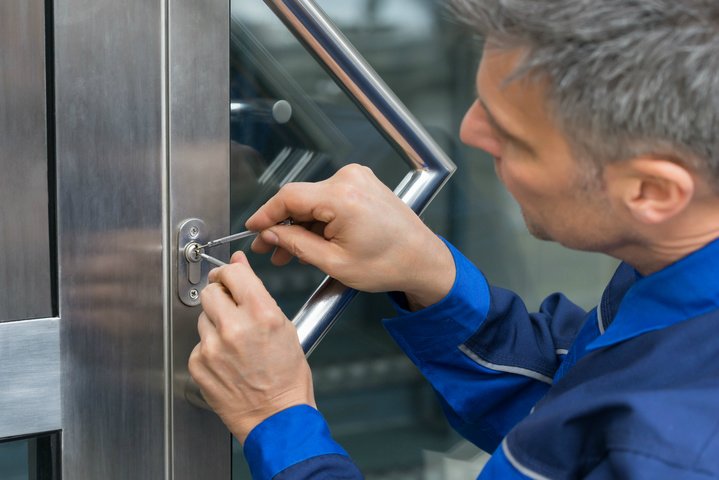
If you’re unsure about opening your fob or if the damage is extensive, a professional locksmith can help. Many locksmiths offer shell replacement, key cutting, and even reprogramming services. This is especially useful if your fob also contains a physical key or if you need a new transponder chip.
For more details on the types of car keys and their features, check out this guide to car key types and their functions.
Dealer Replacement
Visiting your car dealership is another option, especially for newer vehicles with advanced security features. Dealers can provide an exact match for your original fob, but this route is usually the most expensive. Expect to pay more for programming and parts.

Tips for Preventing Key Fob Shell Damage
While some wear is inevitable, you can extend the lifespan of your remote’s casing by following a few simple tips:
- Use a protective silicone cover to absorb shocks and prevent scratches.
- Avoid exposing your fob to water or extreme temperatures.
- Keep your keys in a dedicated pocket or pouch, separate from coins and other sharp objects.
- Handle the fob gently, especially when pressing buttons or attaching it to a keychain.
- Replace the battery promptly to prevent leaks that could damage the casing from within. For more on this, see do key fobs use batteries.
When to Replace vs. Repair
Deciding whether to repair or replace your key fob’s shell depends on the severity of the damage and the value of the remote. Minor cracks or worn buttons can often be fixed with a new shell. However, if the internal electronics are exposed, malfunctioning, or water-damaged, a full replacement may be necessary.
Always test your remote after any repair or shell swap to ensure all functions work properly. If you notice persistent issues, consult a locksmith or your dealer for further assistance.
Related Technologies and Considerations
The design and durability of your remote’s casing can vary depending on the type of key system your vehicle uses. For example, key fob vs smart key systems offer different levels of convenience and security, which may influence your replacement options.
Additionally, some modern vehicles use push-button start systems. If you’re curious about how these work and what makes them different, see what is a push to start system for more details.
FAQ: Key Fob Shells and Replacement
Can I replace my key fob casing without affecting the electronics?
Yes, most replacement shells are designed so you can transfer the internal circuit board and battery without needing to reprogram the remote. Just be careful not to damage the electronics during the process.
How do I know if my key fob needs a new shell or a full replacement?
If only the outer shell is cracked or buttons are worn but the remote still works, a new casing should suffice. If the fob no longer functions, has water damage, or the electronics are exposed, a full replacement may be necessary.
Are aftermarket key fob shells as reliable as OEM replacements?
Aftermarket shells can be a cost-effective solution, but quality varies. OEM (original equipment manufacturer) shells are guaranteed to fit and function exactly like the original, while aftermarket options may differ in material or fit. Always check reviews and compatibility before purchasing.